
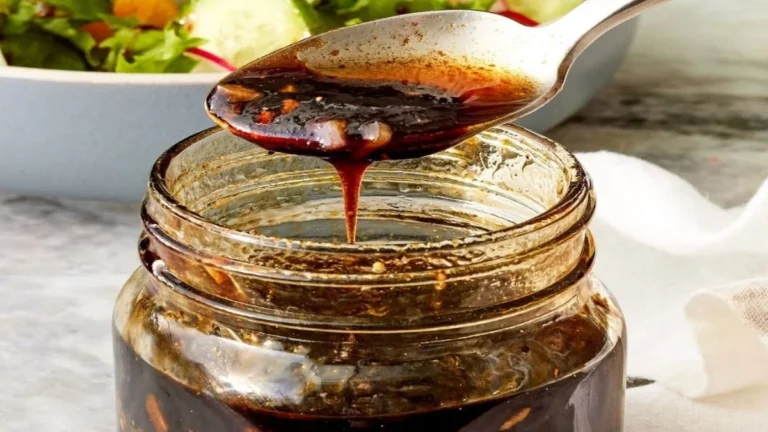

Craving that iconic Yard House soy vinaigrette that transforms ordinary salads into restaurant-worthy masterpieces? This copycat yard house soy vinaigrette recipe brings the beloved chain restaurant flavor straight to your kitchen.
Whether you’ve been dreaming about recreating that perfectly balanced Asian-inspired dressing or simply want an easy soy vinaigrette recipe for weeknight meals, this homemade version delivers authentic taste with simple pantry ingredients.
The best part? You’ll have complete control over the flavor profile, allowing you to adjust the sweetness, heat, and tanginess to match your personal preferences. Say goodbye to overpriced bottled dressings and hello to fresh, customizable flavor that rivals any restaurant version.
What Does Yard House Soy Vinaigrette Taste Like?
This yard house soy vinaigrette offers a sophisticated balance of savory, tangy, and subtly sweet notes with a gentle kick of heat.
The umami-rich soy sauce forms the foundation, while rice wine vinegar adds bright acidity that awakens your palate. Toasted sesame oil contributes nutty depth and aromatic complexity, complemented by the subtle heat from sambal oelek chili paste.
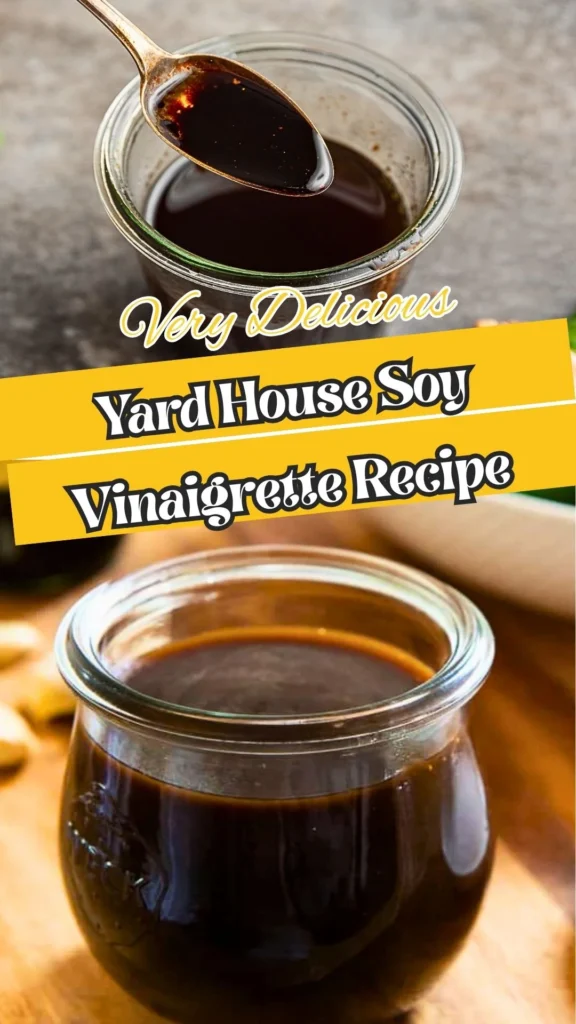
Fresh lemon juice provides citrusy brightness, while honey rounds everything out with delicate sweetness.
The creamy, emulsified texture-achieved through the egg yolk-makes this dressing cling beautifully to greens without being heavy. Unlike basic vinaigrettes, this homemade soy vinaigrette recipe delivers layered, restaurant-quality flavor with every spoonful.
Yard House Soy Vinaigrette Recipe Ingredients and Kitchen Utensils
Ingredients
Makes about 1–1.5 cups of dressing
- 1 clove garlic, thinly sliced or minced
- 1 egg yolk (pasteurized if preferred for raw consumption)
- 2–3 tablespoons soy sauce (start with 2, adjust to taste)
- 4 tablespoons rice wine vinegar (unseasoned or seasoned)
- 1 tablespoon sesame oil (toasted variety recommended)
- 1–2 teaspoons sambal oelek or similar chili paste
- Juice of 1 lemon (approximately 2–3 tablespoons, seeds removed)
- 1 teaspoon mustard (Dijon preferred; Chinese hot mustard for extra heat)
- 1 teaspoon honey (any variety)
- Freshly ground black pepper, to taste
- Salt, to taste (use sparingly)
- 6–8 tablespoons neutral oil (grapeseed or peanut oil)
- Optional: 1–2 teaspoons toasted sesame seeds, finely grated fresh ginger
Kitchen Utensils
- Blender, food processor, or immersion blender with tall jar
- Measuring spoons and cups
- Citrus juicer or reamer
- Storage jar or bottle with lid
- Spatula for scraping
Preparation and Cooking Time
- Prep Time: 10 minutes
- Blending Time: 5 minutes
- Total Time: 15 minutes
- Servings: 12–16 servings (approximately 1.5 cups)
- Difficulty Level: Easy
Yard House Soy Vinaigrette Recipe Instructions
Step 1: Prepare the Base Ingredients
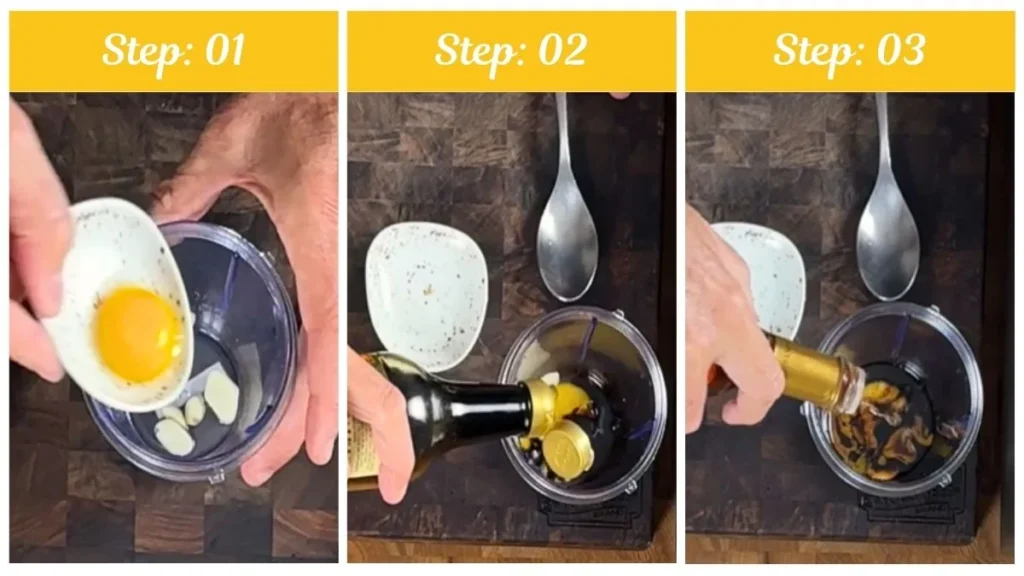
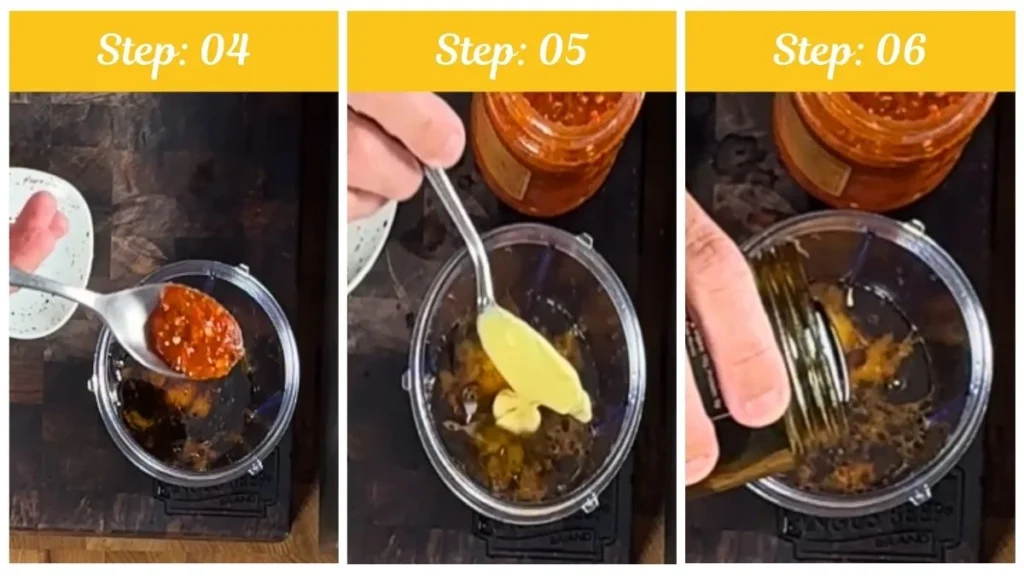
In your blender, food processor, or tall jar (for immersion blender), combine the minced garlic, egg yolk, 2 tablespoons soy sauce, 4 tablespoons rice wine vinegar, 1 tablespoon sesame oil, sambal oelek, fresh lemon juice, mustard, honey, freshly ground black pepper, and a small pinch of salt. Ensure all ingredients are ready before blending for smooth processing.
Step 2: Blend the Initial Mixture
Pulse or blend the ingredients on medium speed for 20–30 seconds until thoroughly combined and the garlic is completely broken down. This crucial step helps the egg yolk begin emulsifying with the acidic components while mellowing the raw garlic’s sharpness. The mixture should appear uniform and slightly frothy.
Step 3: Emulsify with Neutral Oil
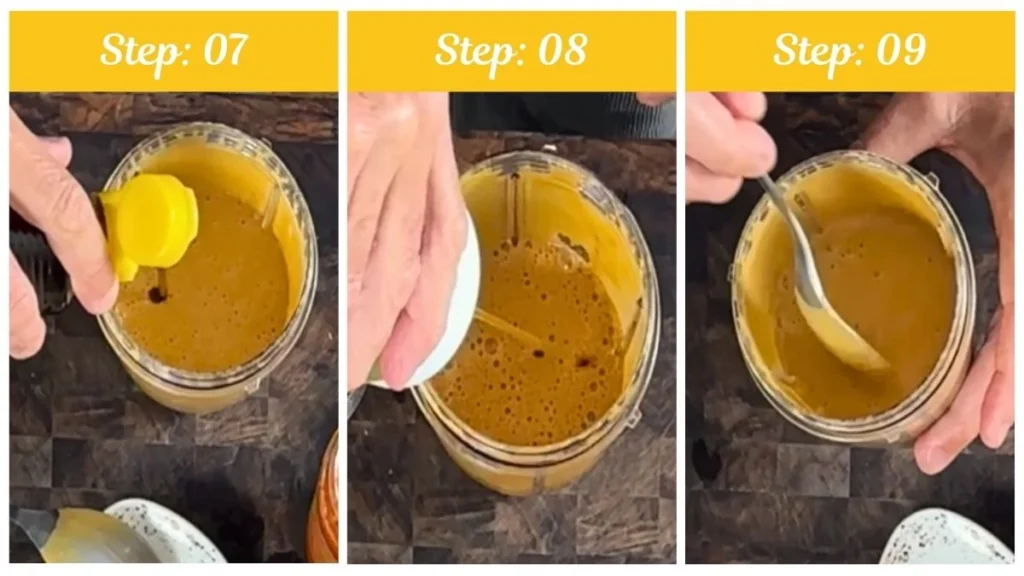
With the blender running on low-medium speed, slowly drizzle in 6 tablespoons of grapeseed or peanut oil in a thin, steady stream. Continue blending for 30–60 seconds until the mixture thickens noticeably and becomes creamy and emulsified. The dressing should achieve a smooth, light mayonnaise-like consistency that coats the back of a spoon.
Step 4: Taste and Adjust Seasonings
Stop the blender and taste your yard house soy vinaigrette. Make adjustments based on your preferences:
- Too acidic? Add 1–2 tablespoons more neutral oil to mellow the brightness
- Needs more umami? Add ½–1 tablespoon additional soy sauce
- Lacking sesame flavor? Drizzle in extra sesame oil (use restraint-it’s potent)
- Not spicy enough? Increase sambal oelek gradually
- Too sweet or not sweet enough? Adjust honey or vinegar accordingly
Blend briefly after each addition until you achieve perfect harmony where no single flavor dominates.
Step 5: Add Optional Finishing Touches
For added texture and complexity, stir in toasted sesame seeds and/or finely grated fresh ginger by hand. Avoid blending these ingredients if you prefer chunky texture in your copycat yard house soy vinaigrette recipe.
Step 6: Store and Serve
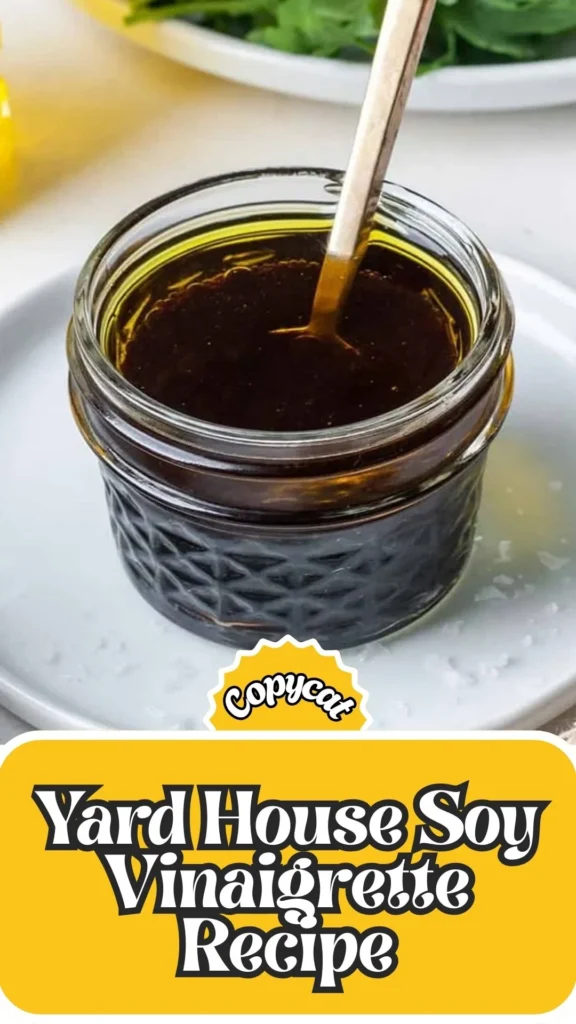
Transfer the finished vinaigrette to a clean jar or bottle with a tight-fitting lid. Refrigerate immediately and shake well before each use, as natural separation may occur. The dressing stays fresh for up to 2 weeks when properly refrigerated.
Customization and Pairing Ideas for Serving
1. Classic Asian Chicken Salad
Toss this homemade soy vinaigrette recipe with crisp romaine lettuce, shredded Napa cabbage, julienned carrots, sliced cucumbers, grilled chicken breast, crispy wonton strips, and toasted sesame seeds. The vinaigrette’s balanced acidity and umami depth complement the crunchy vegetables while the creamy texture helps it cling to every leaf. Add mandarin orange segments and sliced almonds for restaurant-style presentation.
2. Grilled Salmon or Fish Marinade
Use this versatile dressing as both a marinade and finishing sauce for grilled salmon, mahi-mahi, or sea bass. The soy sauce tenderizes the protein while sesame oil adds aromatic richness. Marinate for 30 minutes before grilling, then drizzle fresh vinaigrette over the cooked fish. Pair with steamed jasmine rice and roasted bok choy for a complete Asian-fusion meal.
3. Buddha Bowl Drizzle
Elevate grain bowls by drizzling this easy soy vinaigrette recipe over quinoa or brown rice topped with edamame, roasted sweet potatoes, pickled vegetables, avocado, and crispy tofu. The dressing ties together diverse textures and flavors while adding moisture to grain-based bowls. Garnish with furikake seasoning and nori strips for authentic Japanese-inspired presentation.
4. Seared Tuna Poke Bowl Sauce
Transform sushi-grade tuna into an upscale poke bowl by marinating cubed tuna in this vinaigrette for 15–20 minutes. Serve over sushi rice with seaweed salad, cucumber ribbons, avocado, and pickled ginger. The vinaigrette’s balanced acidity complements the rich tuna without overpowering its delicate flavor, creating a restaurant-quality dish at home.
5. Asian Slaw Base
Create a vibrant coleslaw by tossing shredded red and green cabbage, julienned bell peppers, shredded carrots, sliced scallions, and fresh cilantro with this dressing. The vinaigrette wilts the cabbage slightly while maintaining crunch, making it perfect for topping fish tacos, pulled pork sandwiches, or serving alongside grilled meats at summer barbecues.
6. Vegetable Stir-Fry Finishing Sauce
Rather than using this yard house soy vinaigrette only on cold dishes, drizzle it over hot stir-fried vegetables during the last minute of cooking. The heat activates the sesame oil’s aromatics while the acidity brightens heavy stir-fry flavors. Try it with broccoli, snap peas, bell peppers, and mushrooms served over noodles or rice.
7. Cold Noodle Salad Dressing
Toss chilled soba noodles, rice noodles, or angel hair pasta with this vinaigrette, then add shredded chicken, bean sprouts, fresh herbs (mint, cilantro, basil), and crushed peanuts. The dressing’s creamy consistency coats noodles evenly, preventing clumping while delivering bold flavor. This makes an excellent make-ahead lunch or potluck contribution.
Expert Tips for Perfect Soy Vinaigrette
1. Choose Quality Sesame Oil
The difference between regular and toasted sesame oil dramatically impacts your copycat yard house soy vinaigrette recipe. Always select toasted (dark amber colored) sesame oil, which offers deep, nutty flavor compared to light sesame oil’s neutral taste. Store opened sesame oil in the refrigerator to prevent rancidity, as its delicate oils oxidize quickly at room temperature. A little goes a long way-excessive sesame oil can overpower other flavors and create bitterness.
2. Master the Emulsification Technique
The secret to restaurant-quality texture lies in proper emulsification. Adding oil too quickly causes the mixture to break, resulting in separated, oily dressing. Drizzle oil in a thin, steady stream (about the thickness of a pencil lead) while the blender runs continuously. The egg yolk acts as an emulsifier, binding oil and vinegar into a smooth, creamy suspension. If your dressing breaks, start with a fresh egg yolk in a clean bowl and slowly whisk the broken dressing into it.
3. Adjust Soy Sauce Based on Type
Different soy sauce varieties contain varying sodium levels and flavor intensities. If using low-sodium soy sauce, you may need to increase the amount or add a pinch more salt. Tamari (gluten-free soy sauce) works beautifully and offers slightly deeper flavor. Dark soy sauce creates richer color but tastes sweeter and less salty. For this homemade soy vinaigrette recipe, standard Japanese-style soy sauce delivers the most authentic Yard House flavor.
4. Control Heat Levels Strategically
Sambal oelek’s heat varies significantly between brands-some are mild while others bring serious fire. Start conservatively with 1 teaspoon, then adjust upward. For milder versions suitable for kids, substitute sriracha or simply omit chili paste entirely. For extra heat complexity, try gochugaru (Korean red pepper flakes) or fresh minced Thai chilies. Remember that heat intensifies as the dressing sits, so taste again after refrigeration before serving.
5. Balance Is Everything
The hallmark of this yard house soy vinaigrette is its perfect equilibrium between five flavor profiles: salty (soy sauce), sweet (honey), sour (vinegar and lemon), spicy (sambal), and umami (sesame oil, garlic, mustard). When adjusting, change one element at a time and blend briefly between tastings. If one flavor dominates, don’t just add more of everything-target the specific opposing element. Too salty? Add honey and oil. Too sweet? Increase vinegar and lemon juice.
6. Freshness Matters for Aromatics
While bottled lemon juice works in a pinch, fresh-squeezed lemon juice provides brighter, more vibrant acidity that elevates this easy soy vinaigrette recipe. Similarly, fresh garlic offers superior flavor compared to jarred minced garlic or garlic powder. If adding optional fresh ginger, use a microplane grater for fine texture that incorporates seamlessly rather than creating fibrous chunks. These small quality improvements create noticeable flavor differences.
7. Temperature and Consistency Considerations
This vinaigrette thickens when refrigerated as the oils solidify slightly, which is normal. Remove it from the refrigerator 10–15 minutes before serving to allow it to reach room temperature, making it easier to shake and pour. If it remains too thick, whisk in 1–2 teaspoons of water to reach desired consistency. Conversely, if your dressing seems too thin initially, refrigeration will help it thicken naturally. Always shake vigorously before each use to re-emulsify any separated oils.
Storage and Reheating Guidance
Store your yard house soy vinaigrette in an airtight glass jar or bottle in the refrigerator for up to 2 weeks. The acidic ingredients act as natural preservatives, maintaining freshness and food safety. Shake vigorously before each use to re-combine separated ingredients. This dressing is not meant to be heated or reheated-serve it at cool or room temperature for optimal flavor and texture.
Yard House Soy Vinaigrette Recipe
Craving that iconic Yard House soy vinaigrette that transforms ordinary salads into restaurant-worthy masterpieces? This copycat yard house soy vinaigrette recipe brings the beloved chain restaurant flavor straight to your kitchen. Whether you've been dreaming about recreating that perfectly balanced Asian-inspired dressing or simply want an easy soy vinaigrette recipe for weeknight meals, this homemade version delivers authentic taste with simple pantry ingredients.
Ingredients
- 1 clove garlic, thinly sliced or minced
- 1 egg yolk
- 2–3 tablespoons soy sauce
- 4 tablespoons rice wine vinegar
- 1 tablespoon sesame oil
- 1–2 teaspoons sambal oelek or similar chili paste
- Juice of 1 lemon
- 1 teaspoon mustard
- 1 teaspoon honey
- Freshly ground black pepper, to taste
- Salt, to taste
- 6–8 tablespoons neutral oil
- 1–2 teaspoons toasted sesame seeds, finely grated fresh ginger
Instructions
Step 1: Prepare the Base Ingredients
In your blender, food processor, or tall jar (for immersion blender), combine the minced garlic, egg yolk, 2 tablespoons soy sauce, 4 tablespoons rice wine vinegar, 1 tablespoon sesame oil, sambal oelek, fresh lemon juice, mustard, honey, freshly ground black pepper, and a small pinch of salt. Ensure all ingredients are ready before blending for smooth processing.
Step 2: Blend the Initial Mixture
Pulse or blend the ingredients on medium speed for 20–30 seconds until thoroughly combined and the garlic is completely broken down. This crucial step helps the egg yolk begin emulsifying with the acidic components while mellowing the raw garlic's sharpness. The mixture should appear uniform and slightly frothy.
Step 3: Emulsify with Neutral Oil
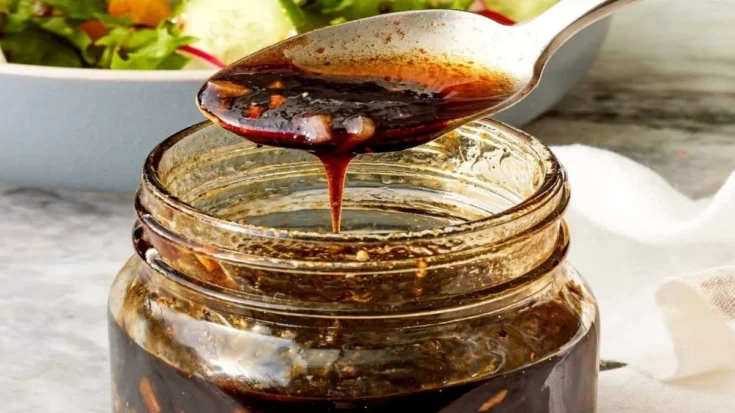
With the blender running on low-medium speed, slowly drizzle in 6 tablespoons of grapeseed or peanut oil in a thin, steady stream. Continue blending for 30–60 seconds until the mixture thickens noticeably and becomes creamy and emulsified. The dressing should achieve a smooth, light mayonnaise-like consistency that coats the back of a spoon.
Step 4: Taste and Adjust Seasonings
Stop the blender and taste your yard house soy vinaigrette. Make adjustments based on your preferences:
Too acidic? Add 1–2 tablespoons more neutral oil to mellow the brightness
Needs more umami? Add ½–1 tablespoon additional soy sauce
Lacking sesame flavor? Drizzle in extra sesame oil (use restraint-it's potent)
Not spicy enough? Increase sambal oelek gradually
Too sweet or not sweet enough? Adjust honey or vinegar accordingly
Blend briefly after each addition until you achieve perfect harmony where no single flavor dominates.
Step 5: Add Optional Finishing Touches
For added texture and complexity, stir in toasted sesame seeds and/or finely grated fresh ginger by hand. Avoid blending these ingredients if you prefer chunky texture in your copycat yard house soy vinaigrette recipe.
Step 6: Store and Serve
Transfer the finished vinaigrette to a clean jar or bottle with a tight-fitting lid. Refrigerate immediately and shake well before each use, as natural separation may occur. The dressing stays fresh for up to 2 weeks when properly refrigerated.
Notes
Store your yard house soy vinaigrette in an airtight glass jar or bottle in the refrigerator for up to 2 weeks. The acidic ingredients act as natural preservatives, maintaining freshness and food safety. Shake vigorously before each use to re-combine separated ingredients. This dressing is not meant to be heated or reheated-serve it at cool or room temperature for optimal flavor and texture.
Nutrition Information:
Yield:
12Serving Size:
1Amount Per Serving: Calories: 80
Common Queries and FAQs
When you give this Yard House Soy Vinaigrette Recipe a try, you might have a few questions. Don’t worry-we’ve rounded up answers to the most common ones to help you out.
Can I make this yard house soy vinaigrette without raw egg?
Yes! For egg-free versions, substitute the egg yolk with 1 tablespoon of mayonnaise or 1 teaspoon of Dijon mustard (in addition to the mustard already in the recipe). These alternatives provide emulsification, though the texture may be slightly less creamy. Greek yogurt or silken tofu also work as emulsifiers for different flavor profiles.
What’s the best neutral oil for this copycat yard house soy vinaigrette recipe?
Grapeseed oil is ideal due to its light flavor, smooth texture, and high emulsification properties. Peanut oil works excellently and adds subtle nuttiness that complements Asian flavors. Avoid olive oil, which creates bitter, overpowering taste, and coconut oil, which solidifies when cold. Canola or vegetable oil work as budget-friendly alternatives.
How can I make this dressing thicker or thinner?
To thicken, add more neutral oil (1 tablespoon at a time) while blending, which creates a creamier, mayonnaise-like consistency. To thin, whisk in water, additional rice wine vinegar, or lemon juice (1 teaspoon at a time) until you reach desired pourability. Remember that refrigeration naturally thickens the dressing.
Can I substitute ingredients if I’m missing something?
Apple cider vinegar or white wine vinegar can replace rice wine vinegar, though the flavor becomes less authentically Asian. Regular chili flakes or cayenne pepper substitute for sambal oelek, but start with less as they’re spicier. Maple syrup or agave can replace honey for vegan versions. Lime juice works instead of lemon, offering slightly more tropical notes.
Is this homemade soy vinaigrette recipe gluten-free?
Standard soy sauce contains wheat, making traditional versions not gluten-free. However, substituting tamari (gluten-free soy sauce) and ensuring all other ingredients are certified gluten-free creates a completely gluten-free dressing. Check that your rice wine vinegar and mustard don’t contain hidden gluten additives.
Why did my vinaigrette separate or look oily?
Separation typically occurs when oil is added too quickly, preventing proper emulsification. The egg yolk needs time to bind oil molecules with acidic liquids. To fix broken vinaigrette, place a fresh egg yolk in a clean bowl and slowly whisk the broken mixture into it. Prevention involves adding oil in a very thin stream while blending continuously.
How does this compare to store-bought Asian dressings?
This easy soy vinaigrette recipe contains no preservatives, artificial flavors, or excessive sodium found in commercial versions. You control sugar content, spice levels, and ingredient quality. While bottled dressings offer convenience, homemade versions taste fresher, cost less per ounce, and can be customized to dietary preferences and taste sensitivities.
Can I double or halve this recipe?
Absolutely! This recipe scales beautifully. When doubling, you may need to blend in batches depending on your blender size. When halving, use the same technique but watch emulsification carefully-smaller quantities sometimes require more attention to oil addition speed. Maintain ingredient ratios for consistent flavor balance.
This copycat yard house soy vinaigrette recipe proves that restaurant-quality dressings are surprisingly simple to recreate at home with everyday ingredients. By mastering the emulsification technique and balancing salty, sweet, tangy, and spicy elements, you’ve unlocked a versatile condiment that elevates everything from simple green salads to grilled proteins and grain bowls.
The beauty of this homemade soy vinaigrette recipe lies in its customizability-adjust heat levels, sweetness, and acidity to create your perfect version. Once you experience the fresh, vibrant flavors of house-made dressing, you’ll never settle for bottled alternatives again. Get creative with pairings, and enjoy the satisfaction of serving restaurant-worthy dishes from your own kitchen!
We’d love to hear how this recipe turns out for you! Give it a try, then drop a comment below to share your thoughts and tips with us.
You can also follow us on Pinterest, and YouTube for more delicious updates and kitchen inspiration. Your feedback and support mean the world to us!